
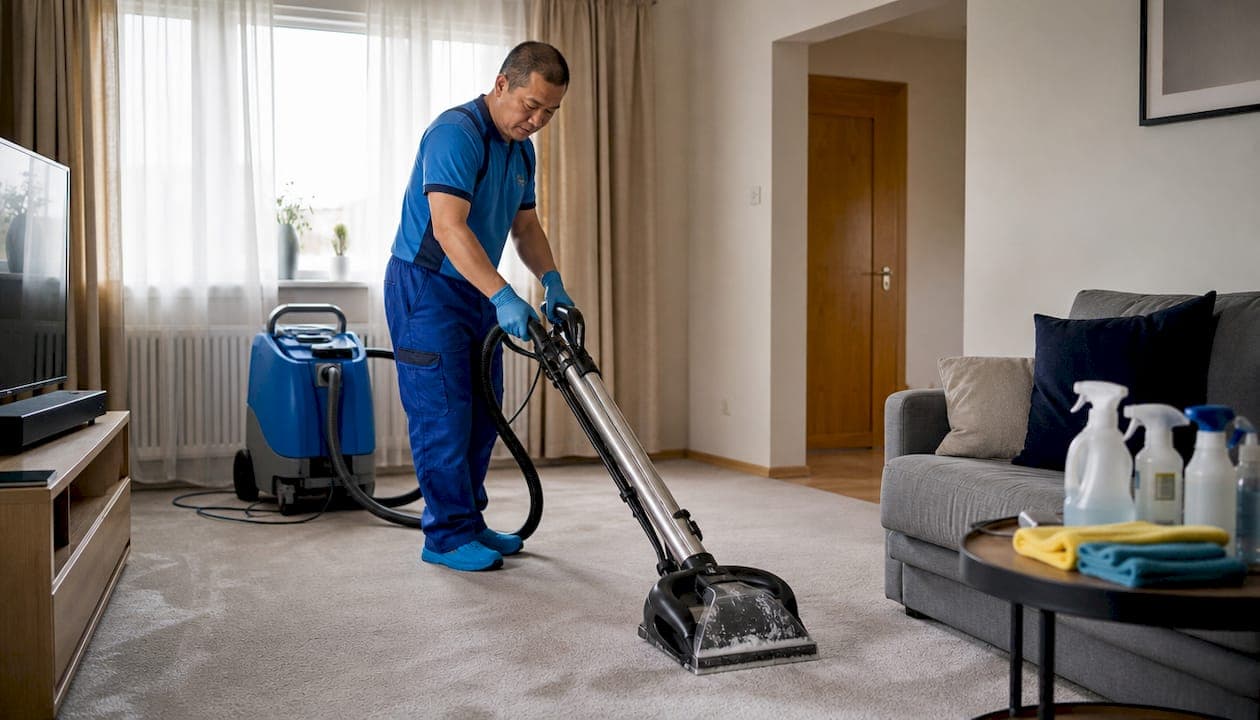
Regular carpet cleaning is defined as the scheduled removal of embedded soils, allergens, and oils that vacuuming cannot reach. This maintenance practice is the single most effective way to prevent premature carpet replacement. Everyday dirt and grit act like sandpaper, grinding against carpet fibres with every step until the damage becomes permanent. The Carpet and Rug Institute (CRI) and the National Carpet Cleaners Association (NCCA) both endorse a science-backed cleaning interval of every 12–18 months as the baseline for residential carpets. Understanding how frequent cleaning prevents carpet replacement starts with knowing what soil actually does to fibres over time.
How does soil damage carpet fibres and lead to replacement?
Soil does not just make carpet look dirty. It physically destroys the fibre structure from the inside out.
Each time someone walks across a carpet, grit and debris embedded deep in the pile grind against the individual fibres. This abrasion causes fibres to split, fray, and mat down permanently. Once a fibre mats, no amount of cleaning can restore its original texture or height. The carpet looks flat, dull, and worn, and the only solution at that point is replacement.
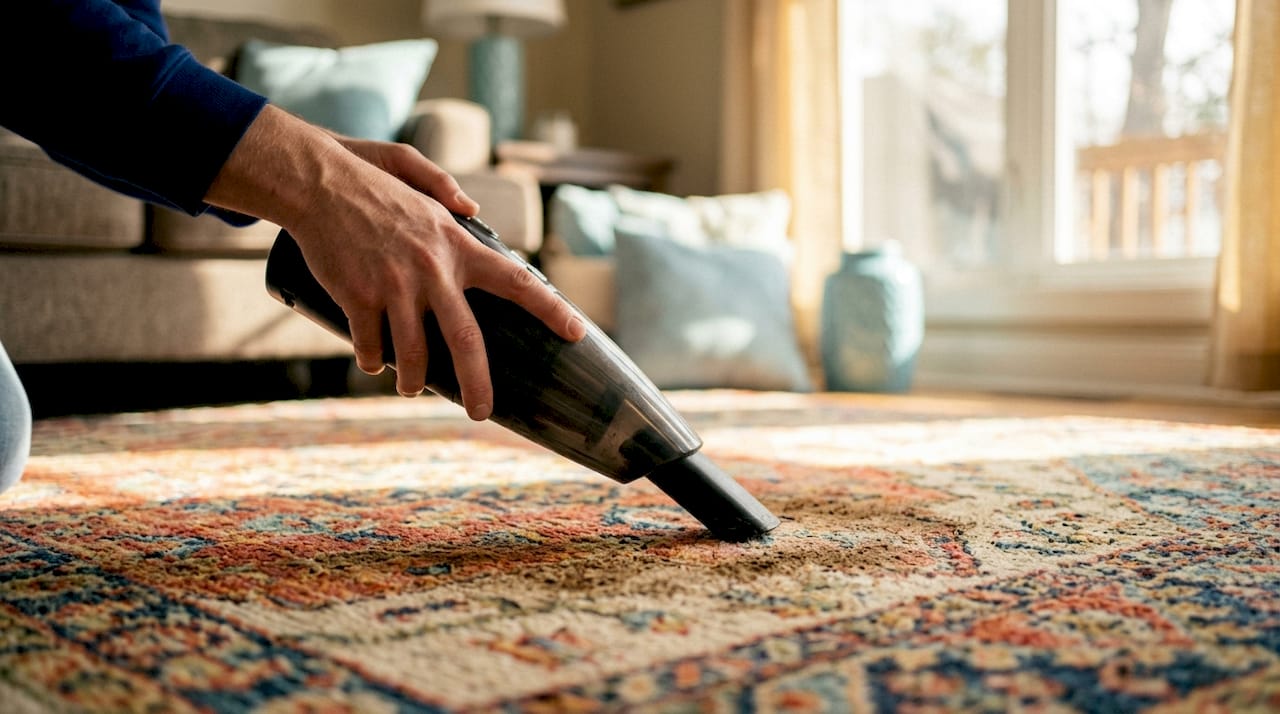
The damage follows a predictable pattern. High-traffic areas like hallways and living room entrances show "traffic lane crushing" first. These lanes darken and flatten while surrounding areas remain relatively intact. Homeowners often mistake this for a staining problem and try to scrub it out. The real cause is structural fibre damage from abrasive soils that were never removed.
Beyond grit, carpets also accumulate:
- Oil-based soils from skin, cooking, and pets that bind to fibres and attract more dirt
- Allergens including dust mite waste, pet dander, and pollen that degrade indoor air quality
- Sticky residues from spills that act as magnets for abrasive particles
- Biological matter like mould spores in humid environments that weaken fibre integrity
"Vacuuming removes surface soil but cannot extract embedded sticky, oil-based soils. Professional cleaning every 12–18 months manages this accumulation effectively, preventing the kind of deep-set damage that makes replacement unavoidable."
Regular vacuuming is necessary, but it only addresses the top layer of debris. Embedded soils require professional extraction to remove. Leaving them in place accelerates wear at a rate that most homeowners do not notice until the damage is already done.
What cleaning frequency do industry standards recommend?
The baseline professional cleaning recommendation for residential carpets is every 12–18 months. This interval is not arbitrary. It reflects the rate at which oil-based and abrasive soils accumulate beyond what vacuuming can manage.
However, that baseline shifts significantly based on how your household actually lives. Major carpet manufacturers including Shaw, Mohawk, and Stainmaster require professional hot water extraction every 12–18 months to keep stain warranties valid. Skipping this requirement can void your warranty entirely, leaving you without coverage when you need it most.
The table below shows recommended cleaning intervals by household profile:
| Household profile | Vacuuming frequency | Professional cleaning interval |
|---|---|---|
| Single adult, light traffic | Weekly | Every 18–24 months |
| Couple, no pets or children | Weekly | Every 12–18 months |
| Family with children | 2–3 times per week | Every 6–12 months |
| Pets in the home | 2–3 times per week | Every 3–6 months |
| Allergy sufferers | Daily or near-daily | Every 3–6 months |
| High-traffic rental property | 2–3 times per week | Every 3–6 months |
Homes in areas with high humidity or heavy seasonal traffic may need localized cleaning more frequently than these intervals suggest. A mudroom or basement carpet in a wet climate wears faster than a bedroom carpet in a dry apartment.
Pro Tip: Set a recurring calendar reminder for your professional cleaning appointment. Treating it like a scheduled maintenance task, the same way you would an HVAC filter change, removes the guesswork and protects your warranty without any extra effort.
Skipping professional cleaning does not just risk warranty coverage. It accelerates the timeline to replacement. A carpet that might last 15 years with proper maintenance can fail in 5–7 years without it.
What practical cleaning habits extend carpet life between services?
Professional cleaning handles the deep work, but what happens between appointments matters just as much. Daily habits either protect or erode the investment you made in your floors.
Vacuum on a schedule, not when it looks dirty
Waiting until carpet looks dirty means abrasive soils have already been grinding against fibres for days or weeks. Weekly to multiple-times-weekly vacuuming reduces surface soil accumulation and slows the rate at which debris works its way deeper into the pile. Use slow, overlapping passes rather than quick back-and-forth strokes to lift more debris per session.
Treat spills within minutes, not hours
The longer a spill sits, the deeper it penetrates and the more likely it is to bond with fibres. Blot spills with a clean white cloth, working from the outside edge inward to prevent spreading. Never scrub. Scrubbing pushes liquid deeper and frays fibres. Cold water works for most spills. Avoid hot water on protein-based stains like blood or egg, as heat sets them permanently.
Adopt a no-shoe policy at the door
A no-shoe indoor policy is one of the most effective measures a homeowner can take. Tracked-in abrasive soils from outdoor footwear account for a significant portion of the grit that damages carpet fibres. Removing shoes at the door can meaningfully extend the interval between professional cleanings. Provide a shoe rack and guest slippers near the entrance to make the habit easy for visitors.
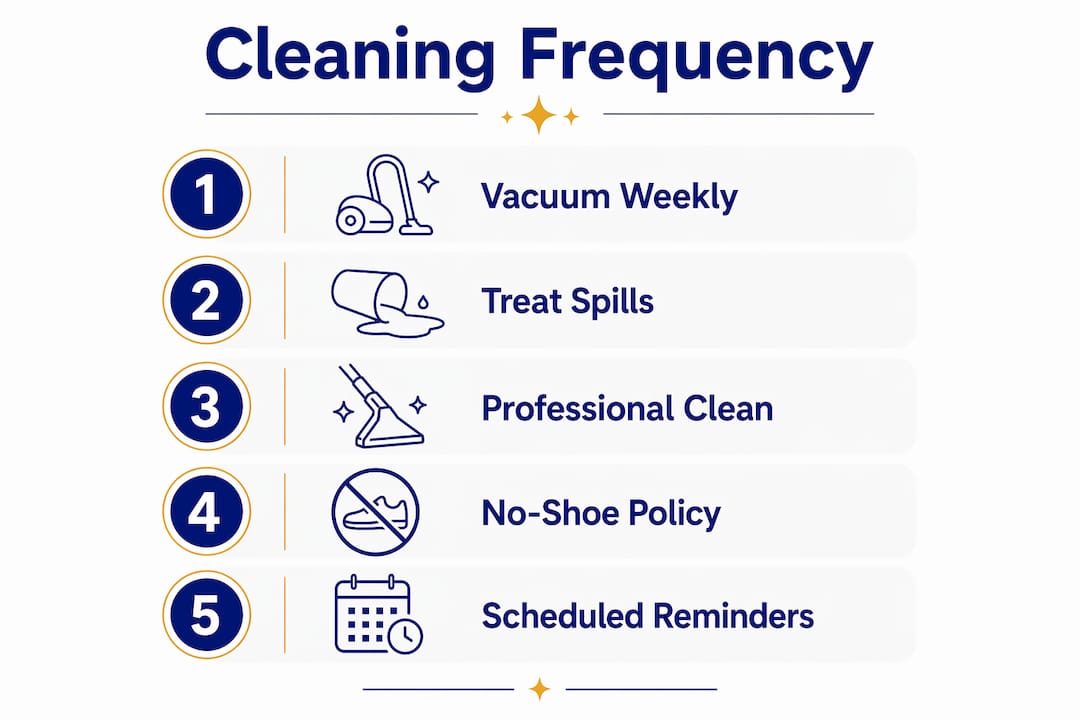
The numbered steps below summarise the core daily and weekly habits:
- Vacuum high-traffic areas at least twice per week
- Vacuum the full carpet at least once per week
- Blot spills immediately with a clean cloth
- Place entry mats at all exterior doors to trap incoming soil
- Use furniture coasters to prevent leg indentations in carpet pile
- Rotate furniture placement every few months to distribute wear evenly
Pro Tip: Avoid renting consumer-grade carpet cleaning machines for deep cleaning. Over-wetting during DIY cleaning can damage carpet backing and accelerate fibre breakdown. Professional hot water extraction removes embedded soils without saturating the backing.
How does regular cleaning save money by delaying replacement?
Carpet replacement is one of the more expensive home maintenance costs a homeowner or renter faces. The financial case for regular cleaning is straightforward once you compare the numbers.
Professional cleaning can extend carpet lifespan from a typical 5–7 years up to 15–20 years or more. That represents a potential doubling or tripling of the time before you need to spend on new flooring. The savings over a carpet's full life can reach into the thousands of dollars, far exceeding the cost of routine professional cleaning appointments.
The comparison below illustrates the difference:
| Scenario | Carpet lifespan | Replacement frequency | Estimated long-term cost |
|---|---|---|---|
| No professional cleaning | 5–7 years | Every 6 years | Very high, frequent replacement |
| Professional cleaning every 12–18 months | 15–20+ years | Every 15–20 years | Significantly lower over time |
Beyond the direct replacement cost, worn carpet affects the perceived value of a home. Flat, dull, or stained carpet is one of the first things buyers and landlords notice. Maintaining carpet appearance through scheduled professional cleaning protects resale value and makes rental properties more competitive.
Cleaning is not an added expense. It is a cost-avoidance strategy. Every professional cleaning appointment you keep is money you are not spending on new flooring, installation labour, and the disruption of a full carpet replacement.
Key takeaways
Frequent, scheduled carpet cleaning is the most cost-effective way to prevent premature replacement and protect both fibre integrity and warranty coverage.
| Point | Details |
|---|---|
| Soil causes permanent damage | Abrasive grit grinds fibres with every step, causing irreversible matting that no cleaning can restore. |
| Clean every 12–18 months at minimum | Industry bodies and major manufacturers require this interval to maintain carpet health and warranty validity. |
| Adjust frequency for your household | Pets, children, and heavy traffic all shorten the recommended interval to as little as every 3–6 months. |
| Daily habits reduce wear between services | Weekly vacuuming, prompt spill treatment, and a no-shoe policy meaningfully slow fibre degradation. |
| Cleaning delays costly replacement | Professional cleaning can extend carpet life from 5–7 years to 15–20+ years, saving thousands over time. |
What I've learned from years of watching carpets age too fast
The most common thing I see is homeowners waiting until their carpet looks dirty before they do anything about it. By that point, the damage is already done. The fibres have been crushed, the traffic lanes are permanent, and no cleaning in the world will bring back the original texture. Cleaning at that stage is damage control, not maintenance.
The carpets that last the longest belong to homeowners who treat cleaning like a scheduled appointment, not a reaction to visible dirt. They vacuum twice a week, they deal with spills immediately, and they book a professional service before the carpet starts showing wear. That proactive mindset is the difference between a carpet that lasts eight years and one that lasts twenty.
I also see a lot of people underestimate what shoes bring in from outside. The grit tracked in from a single day of outdoor activity is enough to cause measurable fibre abrasion over weeks and months. A simple shoe rack at the door is not a lifestyle sacrifice. It is one of the cheapest and most effective carpet maintenance tools available.
Regular cleaning is an investment in the floor you already paid for. The cost of a professional service every year or two is a fraction of what you will spend replacing carpet that wore out ahead of schedule. Once you see it that way, the scheduling becomes easy.
— Rob
Professional carpet cleaning from Icleansecuc
Icleansecuc serves homeowners and renters across the Greater Toronto Area with professional carpet cleaning built around the same standards that carpet manufacturers require to keep warranties valid. The team uses hot water extraction equipment that removes embedded soils without over-wetting, protecting carpet backing and extending the life of your floors.

Whether your carpet is due for its annual service or you are dealing with a specific stain or odour problem, Icleansecuc offers transparent pricing and flexible scheduling to fit your home. Explore the full range of carpet cleaning methods the team uses to protect fibre integrity, or request a quote to book your next appointment. Clean carpets last longer. The math is simple.
FAQ
How often should carpets be professionally cleaned?
The baseline recommendation is every 12–18 months for most households. Homes with pets, children, or allergy sufferers should schedule professional cleaning every 3–6 months to prevent accelerated fibre damage.
Can vacuuming replace professional carpet cleaning?
Vacuuming removes surface debris but cannot extract oil-based or deeply embedded soils. Professional extraction is required to manage the accumulation that causes permanent fibre damage over time.
Does skipping professional cleaning void my carpet warranty?
Major manufacturers including Shaw, Mohawk, and Stainmaster require professional hot water extraction every 12–18 months as a condition of warranty coverage. Skipping this service can void your warranty.
What is the fastest way to extend carpet lifespan?
Combining weekly vacuuming, prompt spill treatment, a no-shoe indoor policy, and scheduled professional cleaning every 12–18 months gives carpet the best chance of reaching its full lifespan of 15–20 years.
Is DIY carpet cleaning safe for carpet fibres?
Consumer-grade rental machines frequently over-wet carpet, which weakens backing and accelerates fibre breakdown. Professional hot water extraction is safer and more effective for maintaining carpet structural integrity.