
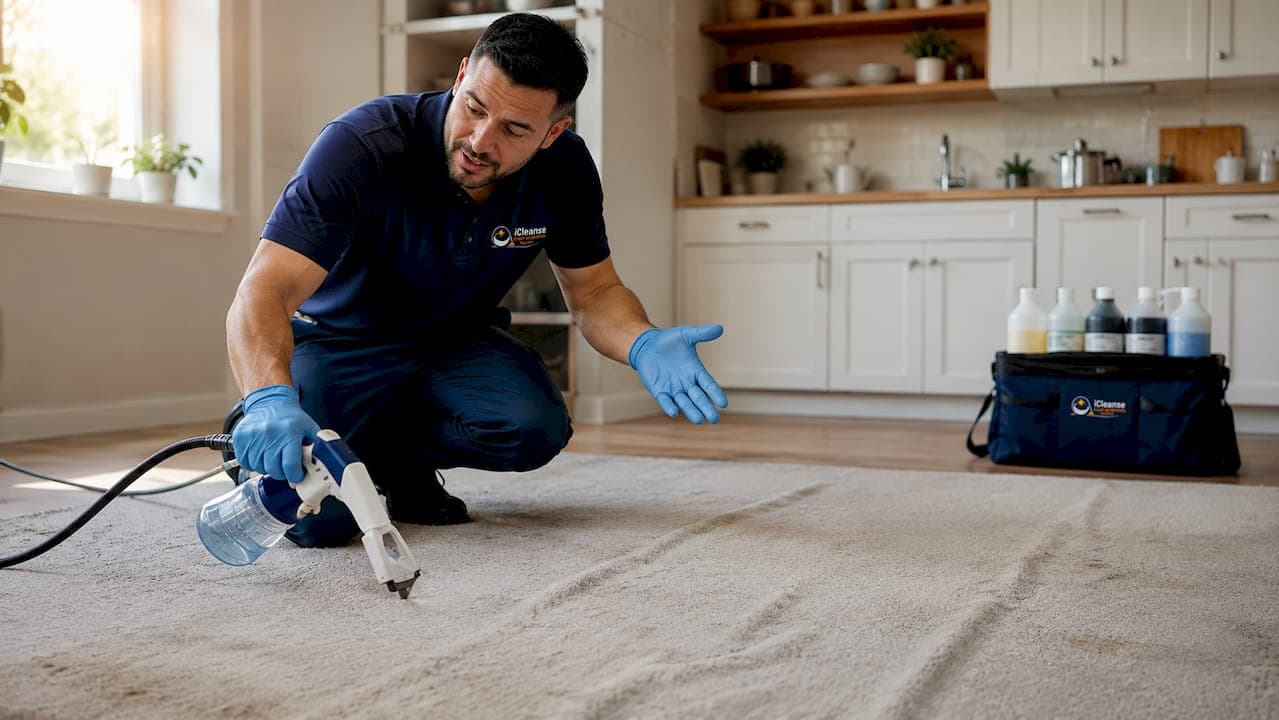
Professional carpet colour restoration is a specialised process that combines deep cleaning, custom dye application, and targeted fibre repair to return a carpet to its original appearance. Homeowners and property managers often mistake faded or stained carpets as candidates for full replacement, when professional dyeing, also called carpet re-colouring, can deliver results at a fraction of the cost. Understanding how carpet colour restoration works professionally means knowing the three stages: preparation, dye application, and post-treatment care. Each stage depends on the one before it, and skipping any step produces results that fade quickly or look uneven.
What methods do professionals use to clean carpets before colour restoration?
Thorough cleaning is the foundation of any successful carpet colour repair process. Dye applied over soiled fibres bonds unevenly, producing a patchy finish that worsens over time. Professionals assess the carpet's condition first, checking for soil accumulation, fibre matting, and existing stains before selecting a cleaning method.
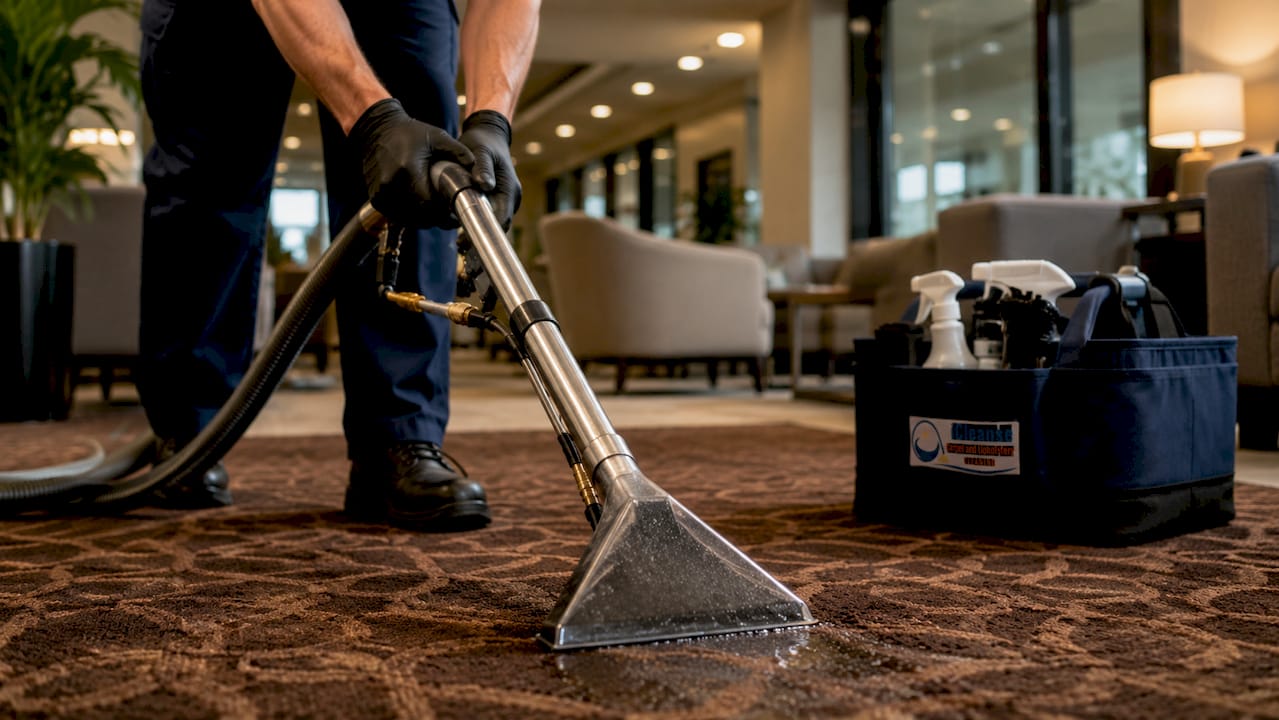
Hot Carbonating Extraction is the preferred pre-treatment method for most colour restoration work. It uses 80% less water than traditional steam cleaning, which matters because excess moisture causes colour bleeding and extends drying time significantly. Carbonation lifts soil to the surface using millions of tiny bubbles rather than saturating the fibre, so the carpet is dry and ready for dye application far sooner. Traditional steam cleaning, while effective for general maintenance, introduces enough moisture to risk dye migration between fibres.
The cleaning stage also includes a fibre condition assessment. Technicians check whether the pile is matted, whether fibres are intact, and whether any areas show signs of chemical damage. This assessment directly shapes the dyeing plan. A 90% visual improvement in soil accumulation cases is achievable with professional heavy-traffic lane restoration. That figure reflects how much of what homeowners perceive as "colour loss" is actually embedded soil, not actual dye degradation.
Key steps in professional pre-treatment cleaning include:
- Dry soil removal: Vacuuming with commercial-grade equipment before any wet treatment begins.
- Spot pre-treatment: Applying targeted solutions to stains that resist standard cleaning.
- Fibre rinsing: Flushing cleaning agents completely to avoid residue that interferes with dye bonding.
- Controlled drying: Using air movers to bring moisture levels down before dye application starts.
Pro Tip: Ask your technician for a drying time estimate before booking. If they cannot give one, they may be using a high-moisture method that risks colour bleeding during the restoration.
How is the carpet dyeing process performed professionally?
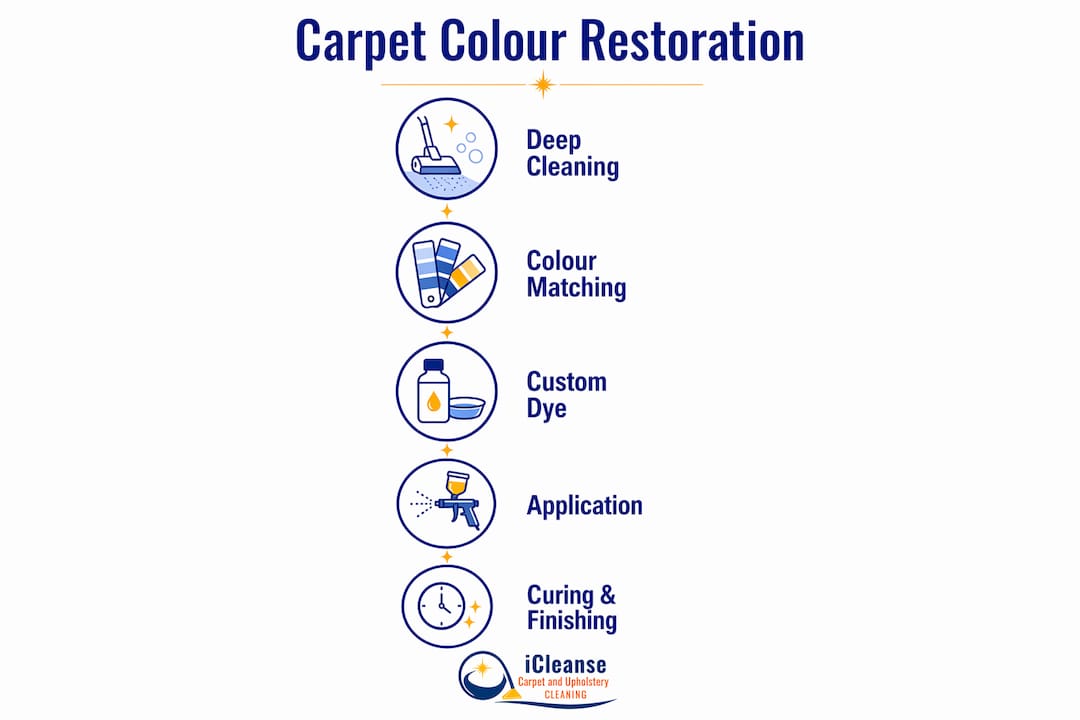
Professional carpet dyeing is a precision process, not a paint job. Technicians match the dye formula to the carpet's original colour using a combination of visual assessment, fibre type identification, and custom colour mixing. Synthetic fibres like nylon accept acid dyes readily, while polyester requires disperse dyes that bond differently at the molecular level. Getting the fibre type wrong means the colour will not hold.
The dyeing process follows a structured sequence:
- Colour assessment: The technician identifies the carpet's original colour using reference swatches and natural light. Faded areas are compared against less-worn sections, such as under furniture.
- Custom dye mixing: Dyes are blended to match the target colour precisely. Most professional formulas are water-based and non-toxic, making them safe for households with children and pets once dry.
- Selective spot dyeing: Isolated stains or bleach spots receive targeted dye application first. This prevents over-saturation of surrounding fibres.
- Full-area or zone dyeing: Where fading is widespread, the technician applies dye across the entire affected zone using a sprayer or applicator, working in the direction of the pile.
- Heat setting: Some dye types require heat to bond permanently with the fibre. Technicians use steam or heat tools to fix the colour and prevent premature fading.
- Final inspection: The treated area is checked under multiple light sources to confirm colour uniformity before the job is signed off.
One critical precaution: household bleach and many common cleaning products permanently alter the dye structure of carpet fibres. Technicians avoid these entirely during the restoration process and advise homeowners to do the same going forward.
Pro Tip: Never use a household spray cleaner on a freshly dyed carpet. Even diluted cleaning agents can strip newly applied dye before it has fully cured, typically within 24–48 hours of application.
The cost of carpet colour repair varies based on the area treated, the severity of fading, and whether spot dyeing or full re-colouring is required. Spot treatments for isolated bleach marks cost considerably less than full-room re-colouring. Icleansecuc recommends getting a written quote that specifies the method, dye type, and expected result before any work begins.
When is colour restoration not enough?
Colour restoration has clear limits. The most important distinction is between soil-related colour loss and structural fibre damage. Soil makes carpets look dull and discoloured, but cleaning removes it. Fibre wear is permanent. When carpet pile is matted or abraded from heavy foot traffic, light reflection changes permanently, creating shading that no dye can correct. The fibres are physically altered, not just dirty.
Bleach damage is the most common cause of permanent colour loss. Bleach breaks down carpet dyes and fibres at a chemical level, leaving uneven, white or pale patches that cannot be re-dyed successfully. In these cases, patch repair is the only option that produces an acceptable result.
Patch repair involves cutting out the damaged section and replacing it with a piece of matching carpet. The challenge is matching pile direction, colour, and wear level simultaneously. Without leftover carpet from the original installation, technicians must source donor pieces from hidden areas such as inside closets, and the match is rarely perfect. Proper matching of pile direction, colour, and wear level is the deciding factor between a visible patch and an invisible one.
Situations where restoration is insufficient and repair or replacement is the better choice:
- Bleach spots larger than a few centimetres: Dyeing over bleached fibres produces inconsistent results.
- Severe pile matting in high-traffic zones: Physical fibre wear cannot be reversed by cleaning or dyeing.
- Water damage with structural compromise: Professional repair after water damage is possible when drying is prompt and the subfloor is intact, but delayed treatment leads to mould and irreversible fibre breakdown.
- Widespread delamination: When the carpet backing separates from the pile layer, restoration is not viable.
| Damage type | Restoration possible? | Recommended action |
|---|---|---|
| Soil-related fading | Yes | Professional cleaning and dyeing |
| Bleach spots | Partial | Spot dyeing or patch repair |
| Fibre matting | No | Patch repair or replacement |
| Water damage (treated promptly) | Often yes | Drying, cleaning, and repair |
| Delamination | No | Full replacement |
What maintenance practices protect carpet colour after restoration?
Restored carpets require consistent care to hold their colour and appearance. The dyeing process refreshes the fibre, but it does not make the carpet immune to future damage. A maintenance routine that combines proper spill response, regular vacuuming, and scheduled professional cleaning extends the life of the restoration significantly.
Most Canadian carpet manufacturers require professional cleaning every 12–18 months to maintain warranty validity. That interval is also the right benchmark for maintaining restored carpet colour. Waiting longer allows soil to bond with fibres at a level that standard vacuuming cannot address, and that bonded soil dulls the colour over time.
Spill response is where most homeowners make costly mistakes. Over-scrubbing spills with household detergents drives contaminants deeper into the fibre and chemically alters the surface, making professional repair far more difficult. That means a simple wine spill handled incorrectly can create a stain that resists even professional treatment.
Maintenance do's and don'ts for restored carpets:
- Do blot spills immediately with a clean white cloth, working from the outside of the stain inward.
- Do vacuum at least twice a week in high-traffic areas to prevent soil from bonding with fibres.
- Do schedule professional cleaning every 12–18 months to maintain both colour and fibre integrity.
- Don't use bleach-based or alkaline household cleaners on any carpet, restored or not.
- Don't scrub stains. Blotting lifts the spill; scrubbing spreads and embeds it.
- Don't use steam mops on restored carpets. The concentrated heat and moisture can lift freshly applied dye.
Placing quality entrance mats at all exterior doors reduces the volume of soil tracked onto carpet by a meaningful amount. Furniture pads under heavy pieces prevent pile compression in fixed spots, which creates permanent shading over time.
Key takeaways
Professional carpet colour restoration combines expert cleaning, precision dyeing, and targeted repair to extend carpet life and restore appearance without full replacement.
| Point | Details |
|---|---|
| Cleaning comes first | Soil must be fully removed before dye application, or colour bonding will be uneven. |
| Fibre type determines dye choice | Nylon, polyester, and wool each require different dye formulas to hold colour correctly. |
| Bleach damage is permanent | Bleached fibres cannot be re-dyed successfully and require patch repair or replacement. |
| Maintenance protects the result | Professional cleaning every 12–18 months and correct spill response preserve restored colour. |
| Patch repair needs matching material | Leftover carpet from the original installation produces the most invisible repair result. |
What I have learned from years of carpet restoration work
The gap between what homeowners expect from colour restoration and what is actually achievable is the biggest challenge in this field. Most people arrive having already scrubbed the stain, used a supermarket spray, or poured something on it "just to see." By the time a professional arrives, the damage is often compounded beyond what the original spill would have caused.
The other pattern I see repeatedly is the assumption that faded carpet equals dirty carpet. Soil-related fading and fibre wear look almost identical to the untrained eye, but they respond to completely different treatments. A technician who skips the fibre assessment and goes straight to dyeing will produce a result that looks good for a few weeks and then reveals the underlying matting as the dye settles. That is not a restoration. That is a temporary cover-up.
My honest advice is this: the best outcomes come from homeowners who call a professional before touching the stain, not after. The professional cleaning advantages are not just about equipment. They are about knowing what not to do. Preventive care, proper spill response, and scheduled maintenance are what separate a carpet that lasts 15 years from one that needs replacing at 8.
— Rob
Carpet colour restoration services from Icleansecuc
Icleansecuc provides professional carpet cleaning and restoration services throughout the Greater Toronto Area, using advanced methods and eco-friendly solutions that protect fibre integrity at every stage.

Whether you are dealing with isolated bleach spots, widespread fading, or traffic lane discolouration, the Icleansecuc team assesses your carpet's condition before recommending a treatment plan. Every job uses professional-grade equipment and non-toxic dye formulas safe for families and pets. Icleansecuc's process aligns with manufacturer warranty requirements, so your carpet protection stays intact. Request a quote to get a clear, written estimate for your carpet's specific needs, or book a service directly to arrange a visit from an experienced technician.
FAQ
What is professional carpet colour restoration?
Professional carpet colour restoration is the process of cleaning, re-dyeing, and repairing a carpet to return it to its original colour and appearance. It combines Hot Carbonating Extraction, custom dye matching, and targeted fibre repair.
Is carpet colour restoration effective on all carpet types?
Restoration is most effective on nylon and wool carpets, which accept dye reliably. Polyester carpets can be treated but require specific dye formulas, and results vary based on the degree of fibre wear.
How long does restored carpet colour last?
With proper maintenance and professional cleaning every 12–18 months, restored carpet colour holds well for several years. Avoiding household bleach and scrubbing spills are the two most important factors in preserving the result.
Can bleach spots be fixed with carpet dyeing?
Small bleach spots can sometimes be addressed with selective spot dyeing, but larger or deeply bleached areas require patch repair. Bleach permanently destroys the dye structure in carpet fibres, so cleaning alone cannot reverse the damage.
What does carpet colour restoration cost?
The cost of carpet colour repair depends on the area treated, the damage type, and the method required. Spot treatments cost less than full-room re-colouring. Icleansecuc provides written quotes based on an on-site assessment.