
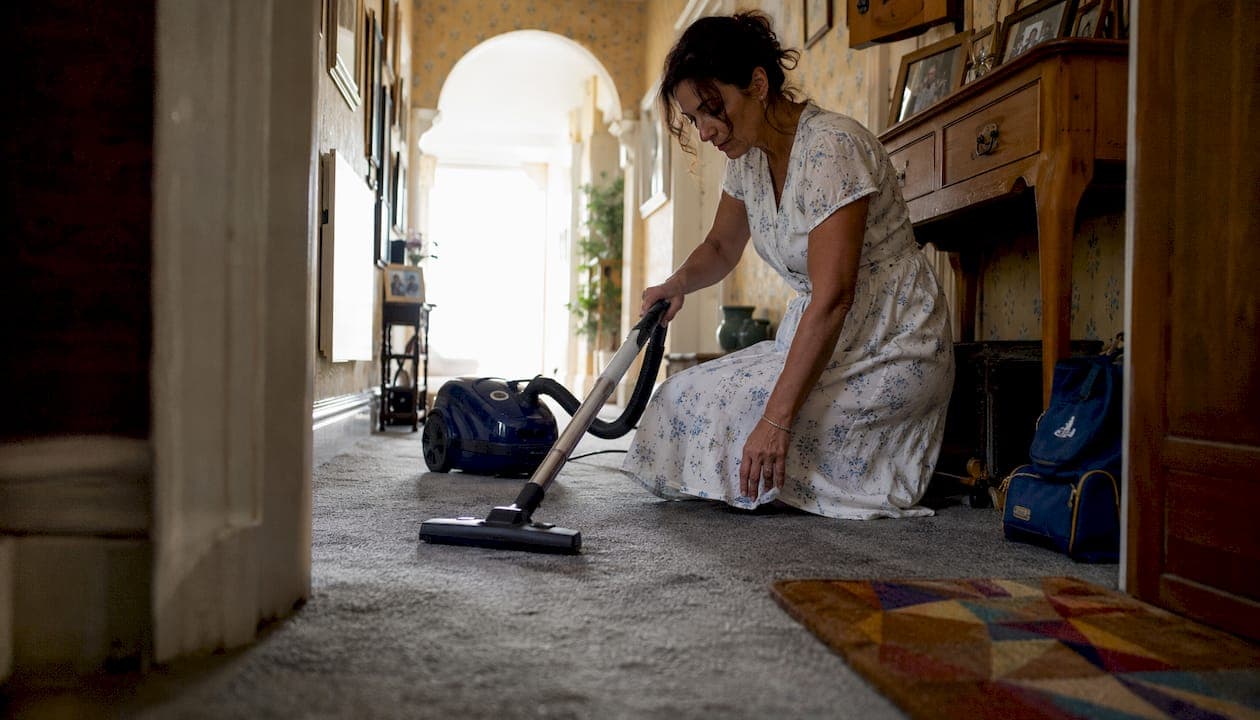
If your carpet shows any of these signs, it's overdue for professional cleaning. Visible soiling, persistent odour, worsening allergy symptoms, sticky or crunchy fibres, matted traffic lanes, stains that keep coming back, damp backing, or more than 12 months since your last service are all clear carpet cleaning indicators that surface maintenance can't fix.
Quick checklist — book a professional clean if you notice:
- Visible dark staining or soiling that vacuuming doesn't lift
- Carpet still looks dull or dirty right after you vacuum
- Musty, stale, or pet odour that won't clear with ventilation
- Sneezing, coughing, or allergy flare-ups that ease when you leave home
- Fibres that feel sticky, stiff, or crunchy underfoot
- Flat, matted patches in hallways or near doorways
- Stains that reappear days after you spot-clean them
- Backing or underlay that feels damp or smells musty
- More than 12 months since your last professional clean
- Preparing for guests, a move-out, or listing your home for sale
If two or more of these apply, vacuum with a HEPA-filtered machine as a first step, then book a hot-water extraction service.
Table of Contents
- 1. Your carpet still looks dirty after vacuuming
- 2. Persistent odour that ventilation won't fix
- 3. Worsening allergy or respiratory symptoms at home
- 4. Sticky, stiff, or crunchy fibres underfoot
- 5. Matted, flattened high-traffic areas
- 6. Stains that keep reappearing after spot-cleaning
- 7. Visible mould, damp backing, or signs of insect activity
- 8. It's been more than 12 months since your last professional clean
- 9. Preparing for guests, a move-out, or a property sale
- 10. Repeated DIY cleaning that doesn't hold
- How often should you schedule professional carpet cleaning?
- Why professional cleaning works: the research behind it
- How to spot discolouration that goes beyond normal wear
- Sticky or oily residue: when household spills need professional treatment
- Key takeaways
- What technicians actually find — and what homeowners miss
- Icleansecuc can restore your carpet across the Greater Toronto Area
- Useful sources
1. Your carpet still looks dirty after vacuuming
Regular vacuuming pulls surface debris off the pile, but it cannot reach the compacted layer of fine grit, oils, and biological matter sitting at the base of the fibres. When your carpet looks dull or grey immediately after you vacuum, that's the sub-surface contamination showing through. Industry guidance warns that microscopic oils and particles cause mechanical fibre wear long before a carpet looks visibly dirty, so a carpet that looks tired after vacuuming has usually been accumulating damage for months.
2. Persistent odour that ventilation won't fix
A musty or stale smell that lingers even with windows open is one of the most reliable signs of dirty carpet. Professional cleaning diagnostics identify persistent odour as a key marker of sub-surface contamination, often mould growth within the backing or underlay. Pet urine is a particular problem: the uric acid crystals bond to fibres and reactivate with humidity, which is why the smell returns on damp days even after repeated surface treatments.
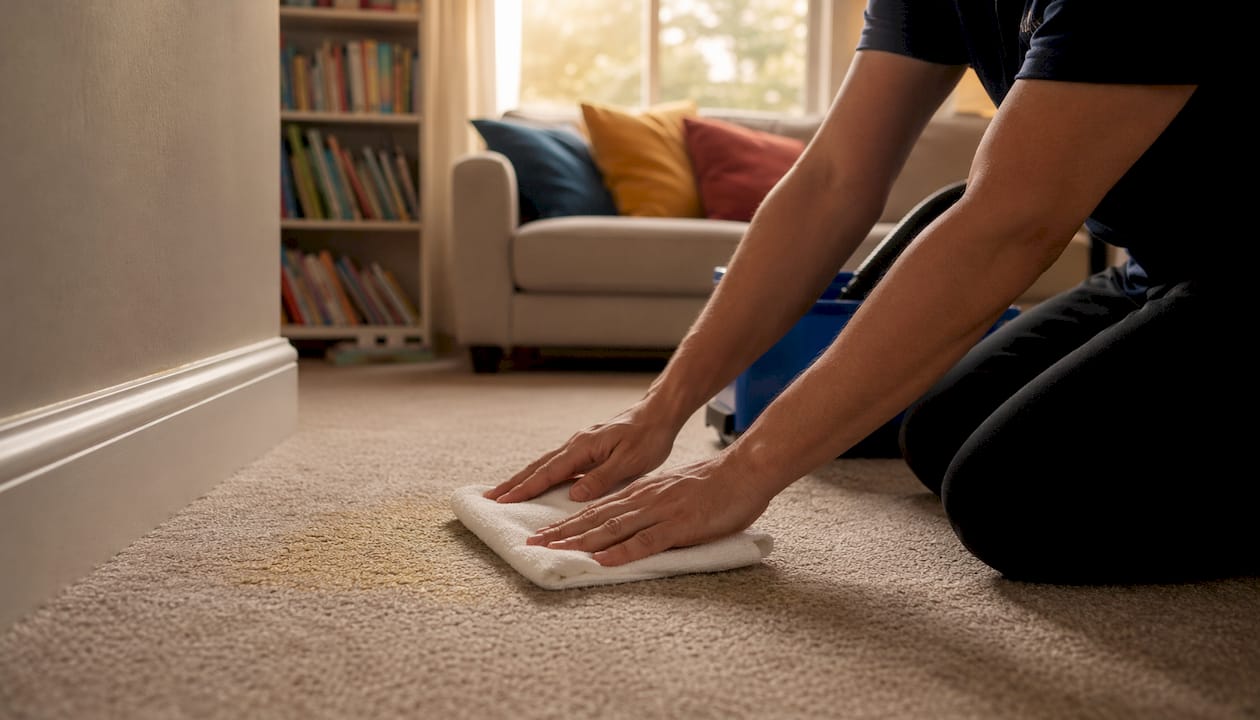
Pro Tip: Press a clean white cloth firmly onto a suspect area and hold it for 10 seconds. If it comes away with a yellow tinge or smells sour, the contamination is in the pad, not just the pile.
3. Worsening allergy or respiratory symptoms at home
EPA research summaries indicate indoor air can be 2–5 times more polluted than outdoor air in many homes, with carpets acting as a major accumulation surface for dust mite debris, pet dander, pollen, and tracked-in chemicals. If your sneezing, coughing, or asthma symptoms worsen indoors and ease noticeably when you leave, your carpet is almost certainly part of the problem. Think of carpet as your home's largest air filter: once it's saturated, it stops trapping particles and starts releasing them back into the breathing zone.
4. Sticky, stiff, or crunchy fibres underfoot
A pile that feels rough or tacky even after vacuuming usually points to one of two causes: trapped abrasive grit grinding into the fibre roots, or cleaning residue left behind by store-bought sprays that weren't fully extracted. Technicians encounter this constantly in homes where DIY foam or powder cleaners were used without a proper wet-vacuum recovery step. The residue acts like glue, attracting new soil faster than untreated carpet would, and the grit accelerates fibre wear with every footstep.
5. Matted, flattened high-traffic areas
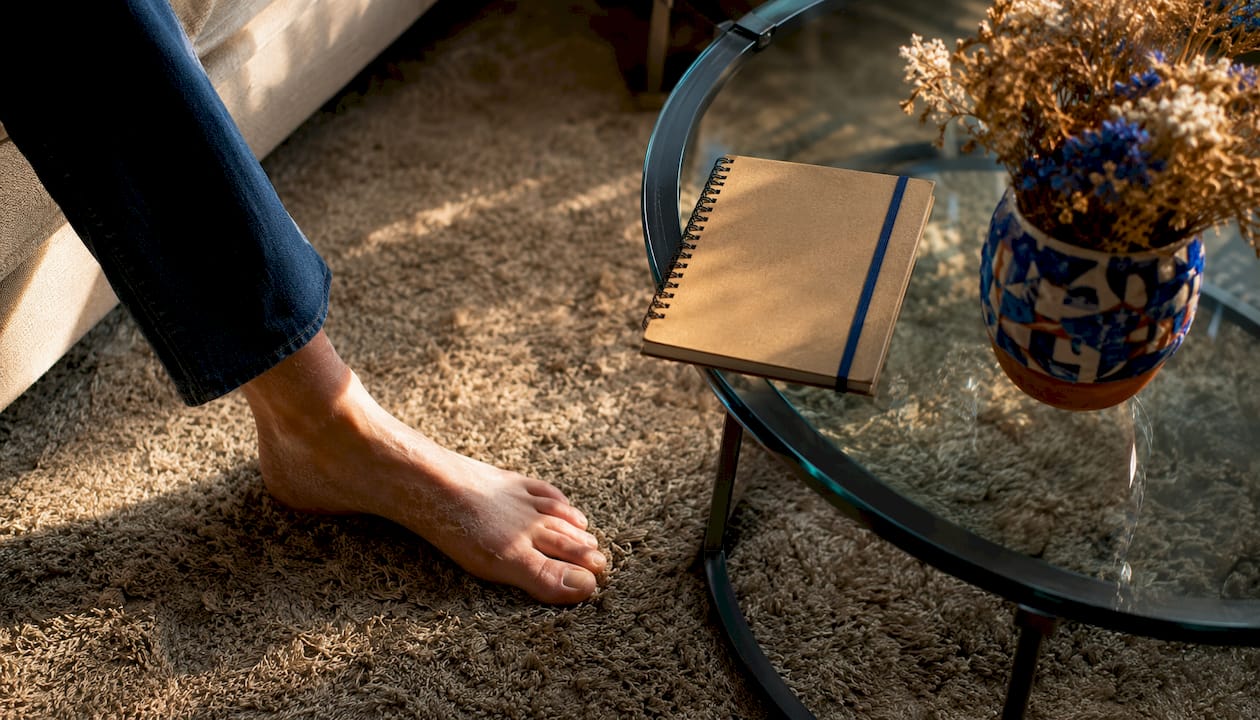
Hallways, the path from the front door to the kitchen, and the area in front of the sofa are the first places to show mechanical wear. Flat, darkened lanes are a combination of soil shading (dirt embedded in the pile) and physical fibre compression. Carpet and rug industry guidance is direct on this: waiting until traffic lanes are clearly visible often means irreversible mechanical wear has already begun. Professional high-traffic hallway cleaning can restore texture and slow further degradation, but it cannot undo fibre damage that has already occurred.
6. Stains that keep reappearing after spot-cleaning
This is called wicking, and it's one of the most frustrating signs of dirty carpet. You treat a stain, it looks gone, and three days later it's back. What's happening is that the residue is sitting in the pad or backing, not the pile. As the carpet dries, capillary action draws the dissolved contaminant back up to the surface. Scrubbing the pile harder or applying more cleaning product makes it worse by pushing more material into the pad. Sub-surface extraction during a professional service targets that pad layer directly, removing the source rather than the symptom.
7. Visible mould, damp backing, or signs of insect activity
Damp backing is an urgent sign, not a cosmetic one. Moisture trapped beneath the pile creates ideal conditions for mould growth and, in some cases, carpet beetle or dust mite infestations. If you lift a corner and the backing feels wet or smells strongly musty, cleaning alone may be insufficient and the underlay may need replacement. Visible mould or confirmed insect activity warrants an immediate call to a professional rather than a scheduled appointment, and in severe cases a carpet removal assessment may be the more practical route.
8. It's been more than 12 months since your last professional clean
Professional cleaning guidance consistently recommends yearly cleaning for general households, with more frequent service for homes with children, pets, or allergy sufferers. Carpets that haven't been professionally cleaned within 12–18 months commonly hold biological and chemical contaminants that vacuuming won't remove. Even carpets that look fine at the 12-month mark have accumulated a hidden load of dust mite debris, fine particulates, and VOC residues that only hot-water extraction can reach.
9. Preparing for guests, a move-out, or a property sale
Practical guidance for homeowners and property managers consistently flags pre-event and pre-listing cleaning as a legitimate reason to book regardless of visible soiling. A freshly cleaned carpet changes the first impression of a space immediately, and for a rental property it also reduces allergen loads for incoming tenants. If you're preparing for a move-out inspection, a professional clean is usually cheaper than a deduction from your deposit.
10. Repeated DIY cleaning that doesn't hold
If you've spot-cleaned the same area three or more times and the stain or odour keeps returning, the problem is structural, not superficial. Constant scrubbing and heavy application of retail cleaning solutions typically push contaminants deeper into the padding rather than removing them. This is the point where DIY methods have reached their limit and professional extraction is the only way to reset the carpet.
How often should you schedule professional carpet cleaning?
The right frequency depends on how your household actually uses the carpet, with general recommendations for more frequent cleaning in homes with children, pets, allergy or asthma sufferers, or high foot traffic.
Situations that move cleaning to immediate, regardless of schedule:
- Active mould or visible damp backing
- Urine contamination from pets or accidents
- Confirmed insect infestation (carpet beetles, dust mites)
- Flooding or water intrusion, even minor
- A household member with a sudden worsening of respiratory symptoms
Between professional visits, HEPA-filtered vacuums significantly reduce fine-particle emissions during domestic vacuuming and are the recommended interim tool. For commercial properties, higher foot traffic typically warrants quarterly rather than annual service.
Why professional cleaning works: the research behind it
Hot-water extraction is the method most consistently recommended by indoor air quality reviews for deep removal of embedded allergens and particulate matter. A study published in the Journal of Environmental Monitoring found that HEPA vacuuming combined with dry steam cleaning reduced house dust mite allergen loadings by 81–86% in carpets with detectable pre-cleaning levels, a substantially larger reduction than dust removal alone. Vacuuming, even with a HEPA machine, cannot reach the pad layer where the bulk of biological contamination accumulates.
Professional hot-water extraction removes dust mite debris, pet dander, fine particulates, VOC residues, and some mould spores from the carpet system as a whole, not just the visible pile. The result is a measurable improvement in indoor air quality that surface cleaning cannot replicate.
How to spot discolouration that goes beyond normal wear
Not all colour change in carpet is dirt. Bleaching from cleaning products, UV fading near windows, and chemical reactions from spilled household cleaners all produce discolouration that looks different from traffic-lane soiling. Soiling darkens; chemical damage typically lightens or creates irregular patches with sharp edges. If you notice pale spots, streaks, or colour shifts that don't follow foot-traffic patterns, that's a signal worth discussing with a technician before attempting any further DIY treatment. Professional colour restoration can address some chemical discolouration, but the window for effective treatment closes quickly once fibres are damaged.
Sticky or oily residue: when household spills need professional treatment
Cooking oil, butter, greasy food spills, and some household cleaning products leave a residue that ordinary detergents can't fully emulsify. The residue sits in the fibre structure, attracts new soil rapidly, and creates a patch that looks perpetually dirty no matter how often you clean it. The same applies to certain adhesives, candle wax residue, and some cosmetic products. Retail carpet cleaners are formulated for water-soluble soils; oily or chemical residues require professional-grade emulsifying agents and the extraction pressure to flush them out completely. If a patch of carpet feels tacky to the touch and the tackiness returns within days of cleaning, that's the residue cycle at work.
Key takeaways
Your carpet needs professional cleaning when two or more major signs are present, or immediately when mould, urine contamination, or damp backing is confirmed.
| Point | Details |
|---|---|
| Book at two or more signs | Mould, damp backing, or urine contamination each warrant immediate service on their own. |
| Frequency by household type | Pets or allergy sufferers: every 6 months; general households: every 12–18 months. |
| HEPA vacuuming between visits | HEPA-filtered vacuums reduce fine-particle emissions and extend the benefit of professional cleans. |
| Wicking and residue need extraction | Reappearing stains and tacky patches require sub-surface extraction, not more surface cleaning. |
| Icleansecuc serves the Greater Toronto Area | Icleansecuc provides hot-water extraction, odour treatment, and upholstery cleaning across the GTA. |
What technicians actually find — and what homeowners miss
The two signs homeowners most consistently underestimate are sticky residue and wicking stains. Both look like cleaning failures when they are actually structural problems: the contaminant is in the pad, not the pile, and no amount of surface scrubbing will reach it. During an inspection, a technician will check backing moisture, fibre texture, odour at the pad level, and the pattern of any discolouration, none of which are visible from standing height.
Homeowners should expect a professional clean to produce noticeably fresher air within 24–48 hours of drying, a softer and more resilient pile, and the elimination of odours that ventilation couldn't shift. What it won't reverse is mechanical fibre damage from years of abrasive grit, which is exactly why the frequency guidelines above matter. Cleaning a carpet before it looks dirty is always cheaper than replacing one that was cleaned too late.
Icleansecuc can restore your carpet across the Greater Toronto Area
Dirty carpets, persistent odours, and stains that keep coming back are problems Icleansecuc resolves with commercial-grade hot-water extraction, eco-friendly cleaning solutions, and the kind of attention to detail that actually shows in the results. The service covers carpet cleaning, upholstery cleaning, ceramic tile and grout cleaning, and move-out cleaning throughout the Greater Toronto Area.
What sets Icleansecuc apart is the combination of professional extraction equipment and safe, low-residue solutions that don't leave the tackiness that attracts new soil. Whether you're dealing with pet odour, a pre-listing clean, or a carpet that simply hasn't been professionally serviced in too long, the process starts with a straightforward quote. Have your room count, approximate square footage, and main concerns ready, then request a quote or book directly to get a service date that works for your schedule.
Useful sources
- National Center for Healthy Housing — Carpets and Healthy Homes fact sheet: supports HEPA vacuum guidance and interim cleaning recommendations.
- Carpet and Rug Institute — research and resources: industry guidance on cleaning frequency, fibre wear, and traffic-lane damage.
- Journal of Environmental Monitoring — HEPA and dry steam cleaning study (RSC Publishing): primary research on HDM allergen reduction (81–86%) with HEPA and steam protocols.
- Indoor air quality and carpet: what EPA data really says: summarises EPA findings on indoor air pollution levels and carpet as an allergen reservoir.
- How dirty carpets affect indoor air quality: practical guidance on odour causes, frequency recommendations, and sub-surface contamination.
- Family Handyman — signs you need professional carpet cleaning: homeowner-focused indicators including pre-event and pre-listing cleaning rationale.
- Icleansecuc — carpet cleaning methods explained: overview of hot-water extraction and professional cleaning approaches used by Icleansecuc.