
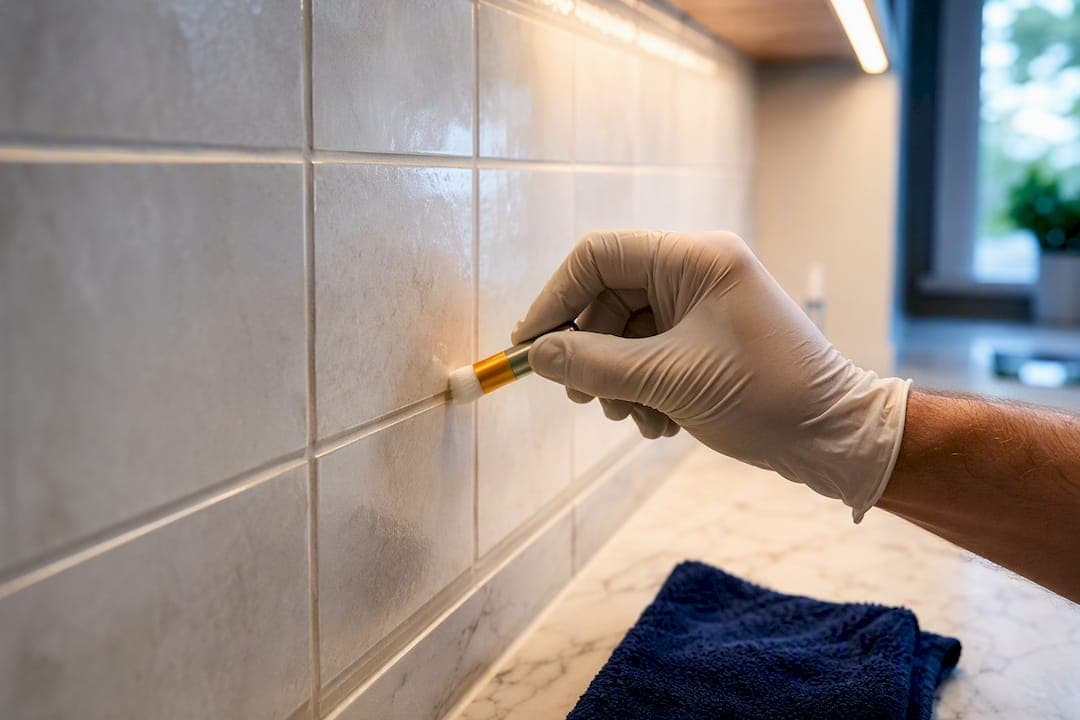
Yes, seal your grout if it's cementitious. Cement-based grout is porous, and sealing it cuts down on staining and water absorption in kitchens, bathrooms, and showers. Skip epoxy grout entirely; it's already non-porous and sealing it does nothing useful. Before you touch a bottle of sealer, clean the grout thoroughly, confirm which grout type you actually have, and let it dry fully. Freshly grouted joints need 48 to 72 hours to cure before sealer goes anywhere near them.
TL;DR:
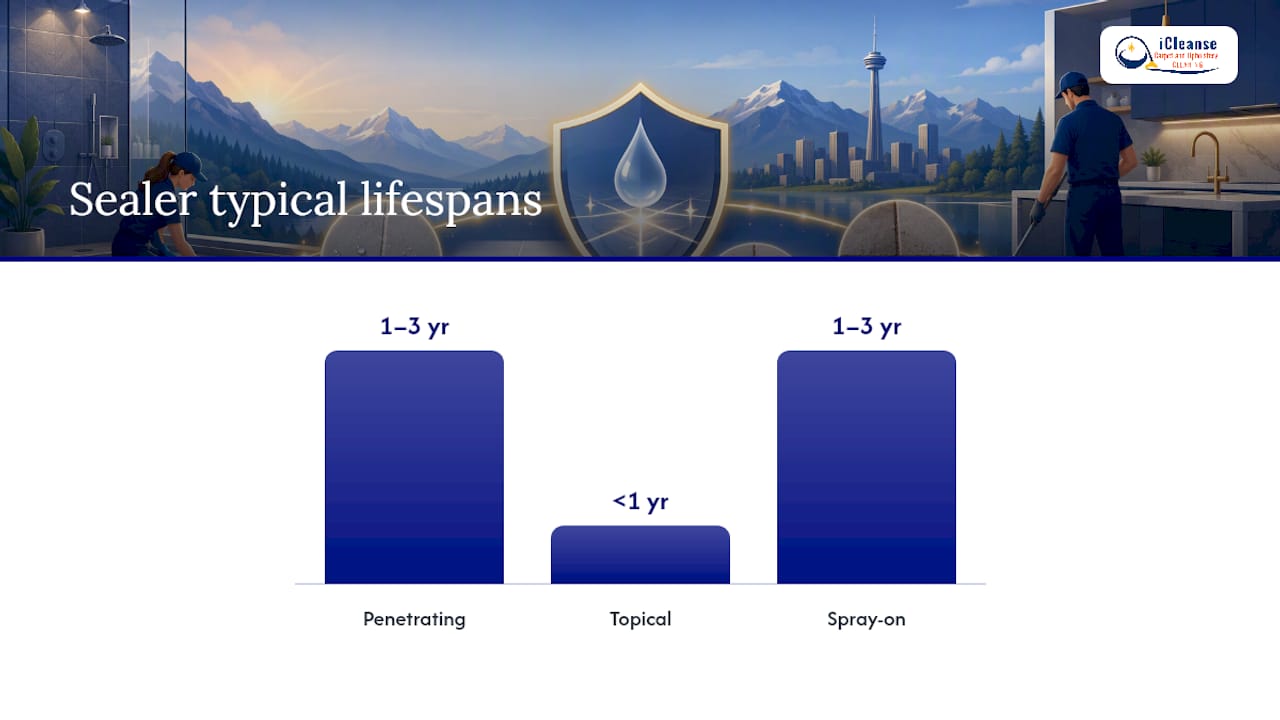
- Penetrating sealers are recommended for cementitious grout and typically last between one and three years, while topical sealers last less than a year and wear faster.
- Proper cleaning before sealing is crucial, as dirt or grime trapped under the sealer can cause permanent staining and surface hazing.
- Applying two thin coats after the grout has fully dried ensures better water resistance and stain protection, but sealing epoxy grout is pointless.
- The water bead test is the simplest way to check if sealer remains effective, with water pooling indicating the sealant is still working.
- DIY sealing works well on small or straightforward jobs, but professional cleaning and sealing are best for deeply stained, cracked, or mold-affected grout.
Table of Contents
- Tile and grout sealing: your shortlist of Canadian options
- How do you actually apply grout sealer at home?
- How do you choose the right sealer for your project?
- How do you know if your sealer is still working?
- What mistakes wreck a grout sealing job?
- When does it make sense to call a pro instead of doing it yourself?
- Want the cleaning and sealing done properly the first time?
- Sources
- FAQ
Tile and grout sealing: your shortlist of Canadian options
Most homeowners overthink this. You need a penetrating sealer for wet areas, full stop, and the rest is detail. Penetrating (impregnating) sealers soak into the pores of cementitious grout and typically hold up for one to three years, which makes them the default pick for showers, kitchen backsplashes, and floors. Topical sealers sit on the surface instead of soaking in, and while they can look glossy, they wear down faster, usually less than a year and are riskier in areas that see constant moisture.
For small jobs, a spray-on penetrating sealer saves you the hassle of a brush or applicator pad. The Miracle Sealants 511 spray-on grout sealer is a straightforward option sold at Home Depot Canada, and it's built for exactly this: touch-ups, backsplashes, vertical grout lines where a full-coverage applicator is overkill.
For full floors and showers, where getting the chemistry right actually matters, MAPEI Penetrating Plus is worth a look because MAPEI publishes clear application steps and backs the product with manufacturer technical support. The TileLab SurfaceGard family covers similar ground, with both penetrating and topical formulas sold under one brand name through Canadian retailers, which is handy if you're not sure which chemistry your project calls for.
| Sealer | Type | Best for | Typical lifespan | Carrier / ventilation | Application notes |
|---|---|---|---|---|---|
| Miracle Sealants 511 | Penetrating | Spot sealing, backsplashes, vertical grout | 1–3 years | Water-based; ventilate room | Spray-on, fast for small areas |
| MAPEI Penetrating Plus | Penetrating | Full floors, showers | 1–3 years | Water-based; ventilate room | Brush or applicator pad, two coats |
| TileLab SurfaceGard family | Penetrating & topical options | Homeowners wanting one brand for multiple jobs | Penetrating 1–3 years; topical 6–12 months | Varies by formula; check label for ventilation | Roller, brush, or applicator depending on formula |
- Penetrating sealers are the safer default for anywhere that gets wet.
- Topical sealers can add sheen to dry decorative grout but aren't built for shower floors.
- Spray formats work best on vertical or small horizontal areas, not entire kitchen floors.
How do you actually apply grout sealer at home?
- Check your grout type first. Cementitious grout is dull and slightly porous to the touch; epoxy grout looks glossier and feels almost plastic. If you're not sure, the grout's original packaging or your installer's invoice usually says. Tile Council of North America guidance is blunt about this: epoxy grout is non-porous, so sealing it is pointless.
- Deep-clean before you seal. This is the step people skip, and it's the one that ruins results. Sealing over grime traps it in the pore structure permanently, and a home mop-and-bucket job rarely lifts embedded staining the way professional hot-water extraction or steam cleaning does. If your grout has years of buildup, call a professional cleaner before you open the sealer.
- Let it dry completely. Newly installed grout needs 48 to 72 hours to cure before sealing; existing grout needs to be bone dry after cleaning, which can take longer in a humid bathroom with poor airflow. Mask off tile faces and fixtures with painter's tape so sealer only lands where you want it.
- Apply two thin coats. Brush or wipe on the first coat, let it absorb for the time the label states, then wipe off any excess before it hazes on the tile surface. Apply a second coat the same way. Let the sealer cure fully, usually 24 to 48 hours, before the area sees water again.
Pro Tip: Excess sealer that never soaks in is what causes that cloudy haze on tile faces. Wipe aggressively after each coat instead of leaving it to dry on the surface.
How do you choose the right sealer for your project?
Read the label before the price tag. A technical data sheet will tell you the carrier (water-based versus solvent-based), the number of coats recommended, and whether it's rated for cementitious grout only. Solvent-based sealers often penetrate slightly deeper but carry stronger VOC concerns, so ventilate the room and skip them in a windowless powder room.
- Penetrating sealers are the right call for anywhere water pools or splashes; topical sealers can trap moisture underneath and peel in showers.
- Water-based formulas are easier to work with for most DIYers and have a milder smell.
- Estimate coverage from the label, most penetrating sealers cover a set number of square feet per litre, and buy slightly more than you think you need for touch-ups.
Sealing makes grout stain-resistant, not stain-proof. That's a direct line from grout manufacturers, not marketing copy, and it means a sealed floor still needs regular wiping. A sealer buys you time to clean up a spill before it sets in, not immunity from staining altogether.
How do you know if your sealer is still working?
The water bead test is the fastest way to check. Splash a few drops of water onto the grout line and watch what happens for 60 seconds. If the water beads up and sits on the surface, the seal is intact. If it soaks in and darkens the grout, it's time to reseal.
- Shower floors and walls see the most water contact, so plan to reseal approximately every year or as needed based on wear.
- Regular floors and lower-traffic areas can often go a longer time between applications, depending on foot traffic and cleaning frequency.
- Use pH-neutral cleaners on sealed grout. Acidic or abrasive products strip sealer faster and shorten its working life.
- Run the water bead test once a year as part of routine maintenance, not just when you notice staining.
What mistakes wreck a grout sealing job?
- Sealing epoxy grout. It's non-porous, sealer has nowhere to go, and you're wasting product and time.
- Sealing over cracked or crumbling grout. Repair or regrout first; sealer isn't a patch for damaged joints.
- Sealing dirty or damp grout. You'll lock stains and moisture in permanently, and no amount of reapplication fixes it later.
- Using topical sealers in showers. Trapped moisture underneath a membrane coating leads to peeling and a worse mess than before.
- Bleaching right before sealing. Bleach residue interferes with penetration. Rinse thoroughly and let the grout dry fully first.
Pro Tip: If you're staring at grout that's been discoloured for years, sealing won't lift that stain, it'll just seal it in place. Clean first, seal second, always in that order.
When does it make sense to call a pro instead of doing it yourself?
DIY sealing works fine for straightforward jobs on grout that's already clean and structurally sound. Where it gets trickier is embedded staining, mould creeping along shower joints, or grout that's cracked and needs repair before sealer will even hold. In those cases, a professional mould assessment or a proper deep clean paired with correct sealer application tends to outlast a rushed weekend fix.
— Rob
Want the cleaning and sealing done properly the first time?
Doing this yourself on a Saturday afternoon is fine for a small backsplash. It gets a lot less appealing when you're on your knees scrubbing years of grime out of shower grout, only to seal in whatever the scrub brush couldn't lift. Icleansecuc handles the part homeowners usually get wrong, the deep clean that has to happen before sealer goes on, using commercial-grade equipment and eco-friendly solutions that won't damage tile glaze or grout.
The combined tile and grout cleaning with sealer application service pairs professional cleaning with correct sealer choice and application in one visit, which matters if you've been putting off sealing because the grout is too stained to trust a DIY job. If you'd rather book cleaning on its own first and decide on sealing after, the tile and grout cleaning service covers that too. Either way, you skip the guesswork on grout type, drying time, and product selection. Request a quote and get a straight answer on what your tile and grout actually need.
Sources
This Old House, Tile Council of North America, Groutastic, This Old Grout, and SurfacesGalore informed the guidance above.
- Cleaning grout | Tile Council of North America
- Does grout sealer actually work? | Groutastic
- Grout sealer FAQs | This Old Grout
FAQ
Do tile and grout need to be sealed?
Cementitious grout should be sealed to resist stains and moisture; glazed ceramic or porcelain tile itself usually doesn't need sealing at all. Epoxy grout never needs sealing because it's already non-porous.
Can you seal tile and grout at the same time?
Yes, but the application differs. Grout sealer targets the porous grout lines specifically, while the tile face rarely needs product unless it's an unglazed or natural stone tile that's also porous.
How much does it cost to seal tile and grout?
DIY sealer products generally run from the price of a small spray bottle for spot jobs up to a full-size bottle for a whole floor, and coverage varies by brand and grout condition. A professional combined cleaning and sealing visit bundles labour and product into one quoted price.
Does tile and grout sealer work?
Yes, penetrating sealers measurably reduce how much water and staining agents soak into cementitious grout, typically holding up for one to three years. It only works as advertised when the grout is clean and dry before application, since sealing over dirt just locks that dirt in permanently.